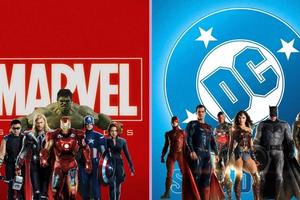
Marvel vs DC: 5 Key Differences in How They Build Superhero Universes
For decades, Marvel and DC have dominated the superhero genre, creating some of the most iconic characters in entertainment history. While both franchises feature legendary heroes, massive fanbases, and interconnected universes, their approaches to storytelling and world-building are surprisingly different.
From tone and character development to cinematic strategy, Marvel and DC have built their superhero universes in distinct ways that continue shaping modern pop culture. Some fans prefer Marvel’s humor and interconnected storytelling, while others are drawn to DC’s darker and more mythological style.
Here are five key differences in how Marvel and DC build their superhero universes.
Key Takeaways
- Marvel focuses heavily on interconnected storytelling and long-term continuity.
- DC often embraces darker themes and more mythological characters.
- Marvel films tend to balance action with humor and relatability.
- DC frequently explores larger philosophical and moral conflicts.
- Both franchises approach character-building and cinematic universes in very different ways.
1. Marvel Builds an Interconnected Universe First
One of Marvel’s biggest strengths has been its long-term interconnected storytelling. Since the launch of the Marvel Cinematic Universe (MCU) with Iron Man in 2008, Marvel has carefully connected movies, shows, characters, and storylines into one massive shared universe.
Characters regularly appear in each other’s films, and events from one project often influence future stories. This approach rewards loyal viewers who follow the entire franchise.
Marvel treats its universe almost like an ongoing television series spread across multiple films, with crossover events like The Avengers and Avengers: Endgame serving as major payoff moments.
2. DC Focuses More on Mythology and Iconic Heroes
DC’s universe tends to feel more mythological and larger-than-life. Heroes like Superman, Wonder Woman, and Batman are often portrayed as symbols or legends rather than everyday people.
While Marvel heroes are usually relatable individuals struggling with ordinary problems, DC characters frequently represent ideals such as hope, justice, fear, or power. Their stories often explore philosophical themes and moral dilemmas on a grand scale.
This creates a tone that can feel more serious, dramatic, and emotionally intense compared to Marvel’s more grounded style.
3. Marvel Uses Humor More Consistently
Another major difference is tone. Marvel movies are known for blending action with comedy, often using humor to make characters feel more approachable and entertaining.
Even during emotional or high-stakes moments, Marvel films frequently include jokes, witty dialogue, or lighthearted interactions. This formula has helped make the MCU accessible to broad audiences worldwide.
DC films, on the other hand, generally lean toward darker atmospheres and more dramatic storytelling. While recent DC projects have embraced humor more openly, the franchise still tends to take a more serious approach overall.
4. DC Often Reinvents Its Continuity
Marvel’s cinematic universe follows a relatively structured continuity, where most projects connect directly to one larger storyline. DC has traditionally been more flexible and experimental with its timelines and reboots.
Over the years, DC has repeatedly restarted or reimagined its cinematic universe, introducing different versions of characters and alternate timelines. Films like Joker and The Batman exist separately from the larger shared universe approach.
This gives DC more creative freedom, but it can also make the franchise feel less unified compared to Marvel’s carefully connected structure.
5. Marvel Prioritizes Team Dynamics While DC Emphasizes Individual Icons
Marvel places heavy emphasis on team-building and character interactions. Much of the MCU’s appeal comes from watching heroes work together, clash, and develop relationships across multiple films.
DC, however, often centers its storytelling around the legacy and mythology of individual heroes. Batman, Superman, and Wonder Woman are frequently treated as standalone cultural icons with deeply personal stories.
As a result, Marvel’s universe often feels more collaborative and interconnected, while DC’s stories can feel more character-driven and symbolic.
Conclusion
Marvel and DC may both belong to the superhero genre, but they approach world-building in very different ways. Marvel thrives on interconnected storytelling, humor, and long-term cinematic planning, while DC leans into mythology, darker themes, and iconic standalone heroes.
Neither approach is necessarily better, they simply appeal to different audiences and storytelling styles. Some fans enjoy Marvel’s fast-paced shared universe, while others prefer DC’s more emotional and philosophical tone.
Together, both franchises have reshaped modern entertainment and turned superhero storytelling into one of the most dominant forces in global pop culture.