Best Earbuds for Exercise: Power Through Every Workout
Your earbuds just fell out. Again. The third time this set. Sweat dripped into the charging port last month and killed your previous pair. The battery died at rep 47 of your PR attempt. Sound familiar?
Exercise earbuds fail in predictable ways. They slip during burpees. Sweat corrodes internal circuits. Batteries drain mid session. The wrong pair doesn't just annoy you. It derails workouts that took discipline to start.
Quality workout earbuds solve these problems with engineering designed for movement, moisture, and motivation. The difference between struggling through exercises and crushing personal records often comes down to gear that actually works when you need it most.
Why Regular Earbuds Fail During Workouts
Standard earbuds sit in ears designed for stationary listening. Walking to your desk. Commuting on trains. Sitting at computers. Movement stays minimal. Sweat doesn't exist.
Exercise changes everything. Your head moves through multiple planes during mountain climbers. Sweat pours during HIIT intervals. Heart rate spikes create heat that standard electronics can't handle. Equipment designed for desks fails in gyms.
Workout earbuds need three critical features that regular models skip. Secure fit keeps them locked during jumping jacks and sprints. Water resistance protects against sweat that would kill unprotected circuits. Battery endurance lasts through training sessions that push past advertised limits.
Fit Technology That Stays Put
Earbuds that shift during deadlifts destroy concentration. Constant readjustment between sets wastes energy. Watching your earbud bounce across the gym floor mid plank kills motivation entirely.
Modern workout earbuds use multiple strategies for secure fit. Ear hooks wrap around the outer ear, distributing pressure across larger surface area. The Powerbeats Pro 2 uses redesigned nickel titanium alloy hooks that flex without fatiguing. They stay comfortable through two hour training sessions while locking position during box jumps.
Wing tips provide alternative security without hooks. These small silicone extensions wedge into ear contours, creating anchor points independent of the ear canal. The Sennheiser Momentum Sport includes three wing sizes plus bandless options for custom fit across different ear shapes.
Memory foam tips create superior seals compared to standard silicone. Foam compresses during insertion then expands to fill ear canal irregularities. This improves both security and passive noise isolation. The Heavys H1E Earbuds include both standard silicone and premium memory foam tips, letting users choose based on preference and activity intensity.
Some manufacturers now use open ear designs that rest outside the canal entirely. The Nothing Ear Open and similar models prioritize situational awareness for outdoor runners who need to hear traffic. They sacrifice some isolation but eliminate insertion pressure entirely.
Water Resistance Ratings Explained
IPX ratings determine whether earbuds survive sweat or die after one hot yoga class. The system uses numbers from zero to nine, with higher numbers indicating greater protection.
IPX4 handles sweat and light splashes. This suffices for indoor gym sessions with moderate perspiration. Models like Apple AirPods Pro 3 carry IPX4 ratings that protect during typical workouts without extreme conditions.
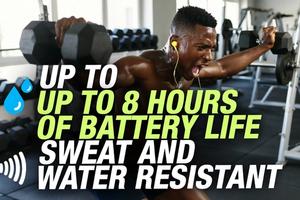
IPX5 resists sustained water jets from any direction. This level handles heavy sweating, outdoor running in rain, and accidental hosing during equipment cleanup. The Heavys H1E, JLab Go Sport Plus, and most serious workout earbuds target IPX5 as the minimum acceptable standard.
IPX7 allows submersion up to one meter for 30 minutes. Swimmers need this level. Most exercisers don't. The Jaybird Vista 2 goes further with IP68 rating plus military durability certification, making them nearly indestructible for outdoor athletes.
Never use earbuds without clear IP ratings during exercise. Sweat contains salt that corrodes unprotected electronics faster than pure water. One intense session can kill unrated earbuds permanently.
Battery Life for Real Training Sessions
Manufacturer claims about battery life assume optimal conditions that never exist during workouts. Room temperature. Medium volume. ANC disabled. These specs mislead.
Real world battery demands spike during exercise. Volume increases to overcome gym noise and elevated heart rates. Active noise cancellation runs constantly to block clanging weights and terrible playlist choices. Cold weather drains batteries faster during outdoor training.
Target seven hours minimum per charge for workout earbuds. This covers long training days, commutes, and forgetting to charge overnight. The Heavys H1E delivers exactly seven hours per bud with 24 total hours from the case, hitting the practical minimum for serious athletes.
Extended battery champions like the JLab Go Sport Plus push to nine hours per charge with 32 additional hours in the case. This eliminates charging anxiety for all but the most extreme training schedules.
Fast charging adds critical flexibility. Ten minutes in the case should provide at least one hour of playback. When you forget to charge and need to leave for the gym in 15 minutes, fast charging prevents missing workouts over dead batteries.
Sound Quality That Motivates
Audiophiles obsess over frequency response curves. Athletes need bass that drives tempo and clarity that prevents distraction. These priorities differ significantly from critical listening in quiet rooms.
Bass emphasis works for gym environments where low frequencies cut through ambient noise. The Powerbeats Pro 2 delivers energetic, bass heavy sound designed specifically for workout motivation. Kick drums punch through weight room clatter. Bass lines maintain rhythm during cardio intervals.
Some prefer balanced signatures that handle diverse playlists without fatigue. The Sennheiser Momentum Sport targets this approach, offering accurate reproduction across genres for athletes who switch between metal, classical, and podcasts during training.
Customizable EQ lets users adjust sound based on activity. The Heavys H1E connects to a mobile app with five band EQ for personalized tuning. Boost bass for powerlifting sessions. Reduce it for outdoor runs where environmental awareness matters more.
Volume capability matters more during exercise than quiet listening. Gyms blast terrible music. Cardio equipment creates mechanical noise. Your earbuds need headroom to overcome both without distortion. Most workout focused models prioritize maximum output over delicate nuance.
Top Earbuds Across Different Priorities
Powerbeats Pro 2 dominates for iPhone users who want complete ecosystem integration. The H2 chip enables seamless device switching and spatial audio. Ten hour battery with 45 total from the case handles marathon training weeks. Built in heart rate sensors add fitness tracking without chest straps. IPX4 rating suffices for indoor training. The ear hooks and five tip sizes ensure secure fit across ear shapes. Premium pricing reflects premium features for Apple devotees.
Bose QuietComfort Ultra Earbuds excel at noise isolation for gym environments where blocking distractions matters most. The ANC ranks among the best available, eliminating gym chatter and equipment noise. Comfort remains exceptional during extended wear with plush tips that don't create pressure. Sound quality impresses across genres. Battery life disappoints at eight hours per bud. The price sits extremely high. These work best for serious athletes who train in noisy commercial gyms and refuse to compromise on silence.
JLab Go Sport Plus delivers shocking value under $30 for budget conscious athletes. The IP55 rating handles sweat and rain. Ear hooks provide secure fit even during sprints. Nine hours per bud with 32 from the case beats many expensive competitors. Touch controls enable EQ switching between sound profiles. Call quality disappoints compared to premium models. These prove that workout earbuds don't require flagship pricing to perform basic functions well.
Heavys H1E Earbuds target athletes who demand powerful sound alongside robust workout features. Engineered by audio legend Axel Grell, these earbuds deliver immersive signature sound designed for heavy music genres while shining across all styles. The IPX5 rating handles intense sweat sessions. Seven hour battery per bud with 24 total from the case covers full training days. Both silicone and memory foam tips come included for customized comfort. The Hell Blocker active noise cancellation blocks gym playlist disasters while transparency mode maintains awareness when needed. Bluetooth 5.4 provides stable connections with aptX Adaptive, aptX HD, and AAC codec support. The secure fit locks during movement without hooks, making them versatile for weightlifting, running, and HIIT. Customizable EQ through the mobile app lets athletes tune sound for specific activities. The charging case supports interchangeable artist shells for personalization.
Sennheiser Momentum Sport appeals to serious athletes wanting premium audio plus fitness tracking. Heart rate and body temperature sensors built into the buds eliminate separate devices. The IP55 rating protects against sweat and rain. Sound quality exceeds most workout focused competitors with balanced, detailed presentation. Wing tips create secure fit for intense movement. Six hour battery with 18 total from the case handles most training schedules. Premium pricing reflects the added sensors and Sennheiser audio pedigree.
Apple AirPods Pro 3 work best for casual exercisers who want versatile earbuds that handle both gym and office. Four tip sizes ensure proper fit for most ears. Active noise cancellation ranks among the best available. Adaptive transparency mode lets you control environmental awareness levels. The ergonomic design stays comfortable during moderate activity. IPX4 rating handles light sweat but struggles with intense training. These excel as everyday earbuds that work adequately for exercise rather than specialized workout gear.
Features That Enhance Training
Transparency modes let you hear surroundings without removing earbuds. This matters for outdoor runners who need traffic awareness and gym users who want to catch trainer cues. Quality implementations filter wind noise while passing through voices and important sounds clearly.
Physical controls beat touch sensors during sweaty workouts. The Powerbeats Pro 2 uses tactile buttons that work reliably with wet fingers. Touch panels often misfire when sweat activates them accidentally or gloved hands can't register taps properly.
Multipoint connectivity lets earbuds pair with phone and smartwatch simultaneously. You can take calls without disconnecting from your training app. This convenience seems minor until you're juggling multiple devices during interval sessions.
Voice assistant integration enables hands free control during exercises where touching earbuds proves difficult. Adjusting volume mid plank or skipping tracks during pull ups becomes possible through voice commands when your hands stay occupied.
Choosing Based on Training Style
Your exercise type determines which features matter most and which you can skip entirely.
Runners need lightweight designs with secure fit that survives impact from foot strikes. Transparency modes help outdoor runners hear traffic. Water resistance protects against rain and sweat. The Nothing Ear Open or Bose Open Ultra work well for runners prioritizing awareness. The Powerbeats Pro 2 suits those wanting isolation.
Weightlifters benefit from models that stay locked during explosive movements without hooks that interfere with lying on benches. Strong bass drives motivation during heavy sets. The Heavys H1E or JLab Go Sport Plus deliver secure hookless fit with powerful sound.
Cyclists require open designs or strong transparency modes for safety. Wind noise filtering becomes critical. Lightweight builds prevent fatigue during long rides. The Bose Sport Open Earbuds or Nothing Ear Open prioritize these needs.
HIIT athletes demand maximum security during rapid movements across multiple planes. Wing tips often work better than hooks for exercises involving floor work. Excellent water resistance handles extreme sweat production. The Sennheiser Momentum Sport or JLab Go Sport Plus excel here.
Gym generalists want versatile earbuds handling diverse activities from cardio to strength training. Balanced sound suits varied playlists. Solid battery life covers extended sessions. Comfortable fit lasts through hour plus workouts. The Heavys H1E or Powerbeats Fit balance these requirements well.
Making the Right Investment
Define your training priorities before shopping to avoid buying twice. Maximum security? Extreme battery life? Premium sound quality? Budget constraints? Your answer determines the right choice.
Serious athletes training daily justify premium prices through constant use that makes workouts more effective and enjoyable. Casual exercisers find excellent value in budget options where performance gaps have narrowed dramatically. The $30 JLab Go Sport Plus now delivers features requiring $200 just years ago.
Consider your existing ecosystem too. iPhone users gain significant convenience from Powerbeats Pro 2 integration. Android users should explore options with dedicated apps and Google Fast Pair support. The Heavys H1E works excellently across platforms with Bluetooth 5.4 ensuring stable connections regardless of phone choice.
Music preferences influence which sound signature suits you best. Bass heavy tuning motivates during aggressive training. Balanced presentation handles diverse playlists without fatigue. Customizable EQ like the Heavys H1E offers lets you adjust for different activities and genres.
The market offers strong options across every price point and training style. From budget JLab models to premium Sennheiser offerings, capable earbuds exist for different needs and financial situations. Choose based on your actual training patterns rather than aspirational plans that never materialize. The perfect workout earbuds disappear during use, letting you focus on performance rather than equipment failures.