Sodium-Ion vs Lithium-Ion: Why Na-Ion Batteries Are the Resilient EV Future
Sodium-Ion vs Lithium-Ion: Why Na-Ion Batteries Are the Resilient EV Future
The automotive industry is on the brink of a significant shift. As electric vehicles (EVs) gain traction, the very batteries that power them are also evolving. Enter sodium-ion (Na-ion) batteries, which are increasingly being viewed as formidable contenders against the long-established lithium-ion (Li-ion) technology. While lithium-ion batteries have dominated the market, sodium-ion technology is emerging with promising advantages that could reshape the future of electric vehicles.
Key takeaways
- Sodium-ion batteries leverage abundant sodium resources, making them less expensive and more sustainable than lithium-ion batteries.
- Na-ion technology can withstand a wider voltage range, improving discharge efficiency compared to traditional lithium-ion systems.
- Sodium-ion batteries have a lower environmental impact, reducing reliance on lithium mining, which often involves harmful practices.
- Current advancements in sodium-ion technology allow for similar manufacturing processes to lithium-ion, facilitating faster adoption.
- Research indicates that sodium-ion batteries can achieve comparable energy densities to lithium-ion variants, enhancing their viability for EV applications.
- The growing global push toward sustainability aligns with sodium-ion's eco-friendly profile, appealing to environmentally conscious consumers.
- Industry leaders are investing in sodium-ion research, indicating a strong interest in diversifying battery technologies for the future.
Sodium-Ion: The Case for Abundance
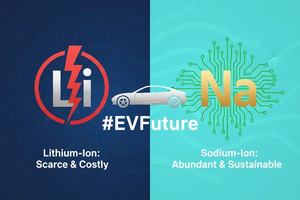
Sodium is a common element, found abundantly in seawater and mineral deposits. This abundance translates to lower raw material costs and a more sustainable supply chain compared to lithium, which is concentrated in specific regions and often subject to geopolitical tensions. For instance, lithium extraction often involves environmentally damaging practices, while sodium can be sourced with significantly less ecological impact. As the world shifts its focus toward sustainable practices, sodium-ion batteries stand as a compelling alternative.
Performance and Efficiency: Bridging the Gap
One of the key advantages of sodium-ion batteries lies in their operational efficiency. While lithium-ion batteries excel in energy density, sodium-ion technology is catching up quickly. Recent advancements have shown that sodium-ion batteries can achieve energy densities exceeding 200 Wh/kg, making them competitive with lithium-ion systems. Moreover, sodium-ion batteries operate over a wider voltage range. A full sodium-ion pack can maintain performance even when voltage fluctuates between 10 V and 14 V, providing a cushion for real-world driving conditions.
This flexibility in voltage management not only enhances performance but also extends the lifespan of the battery. EV owners can expect more reliable performance, especially in varying temperature conditions, which are common in many regions.
Environmental Impact: A Greener Future
The environmental footprint of battery production is a growing concern. Sodium-ion batteries offer a less damaging alternative to lithium-ion batteries, which are often criticized for their extraction processes. Lithium mining can lead to water depletion and soil degradation, issues that sodium-ion technology sidesteps due to its reliance on more readily available materials. As regulations tighten around environmentally harmful practices, the sodium-ion battery could emerge as a more favorable option for manufacturers and consumers alike.
Manufacturing and Compatibility: A Smooth Transition
The transition from lithium-ion to sodium-ion technology won't require a complete overhaul of existing manufacturing processes. The chemical similarities between the two types of batteries allow sodium-ion batteries to utilize many of the same design and fabrication techniques. This compatibility means that manufacturers can shift toward sodium-ion technology without significant investment in new equipment, easing the path for wi
despread adoption.
Leading companies in the EV market have already begun exploring sodium-ion technology, signaling a shift in focus. As research continues to advance, it is likely that sodium-ion batteries will become a fixture in EV production lines.
Conclusion: Embracing the Future
As the EV landscape evolves, sodium-ion batteries are poised to play a pivotal role in shaping a more resilient and sustainable future. Their abundance, efficiency, and reduced environmental impact make them an attractive alternative to lithium-ion technology. The momentum behind sodium-ion research and development suggests that this battery technology will not only coexist with lithium-ion but may eventually surpass it in certain applications.
In the race to create a greener transportation sector, embracing sodium-ion technology could be the key to unlocking a sustainable future for electric vehicles. For manufacturers, investors, and consumers, the challenge lies in navigating this transition and capitalizing on the opportunities that sodium-ion batteries present. The future is bright, and it may just be powered by sodium.